The Essential Guide to Roofing: What Every Homeowner Should Know
Many homeowners tend to neglect the importance of a properly maintained roof. Understanding when to repair or replace it can save significant costs. Various roofing materials offer different benefits, and regular inspections serve a critical function in prolonging the life of a roof. Because environmental conditions place ongoing strain on roofing systems, finding a dependable contractor is absolutely essential. What warning signs suggest a roof is failing, and how can homeowners guarantee they make informed decisions?
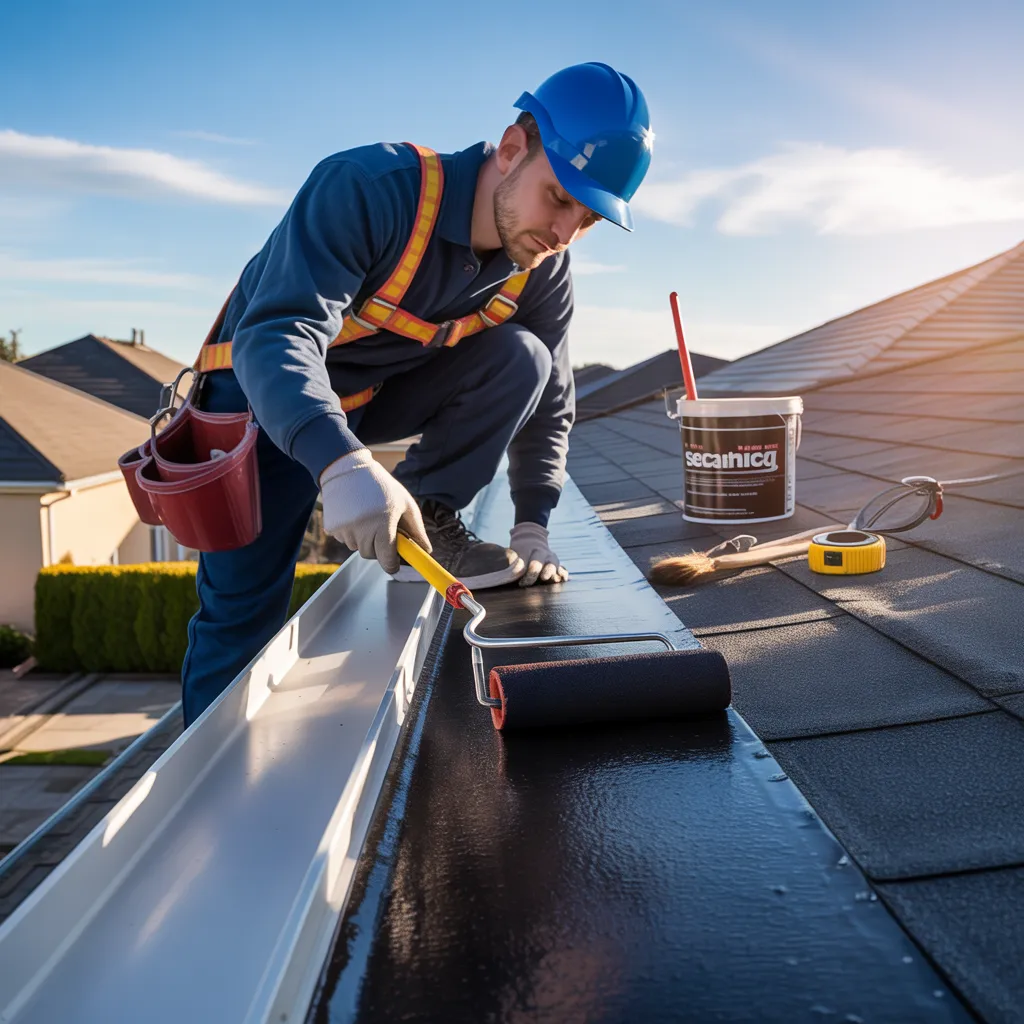
Warning Signs Your Roof Needs Repair or Replacement?
How do homeowners know when their roof is in need of repair or replacement? Signs of deterioration often manifest in various forms. Residents should be on the lookout for missing, cracked, or curling shingles, as they signal areas of potential concern. Furthermore, stains or discoloration appearing on ceilings or walls can be a sign of leaks, emphasizing the importance of prompt action.
An additional key warning sign is the loss of granules, frequently noticeable in gutters; this can weaken the roof's protective layer. Homeowners should also inspect for sagging areas, which may indicate underlying structural problems. Periodically examining the attic for daylight peeking through the roof boards can reveal gaps.
Finally, the age of the roof carries considerable weight; roofs commonly endure for 20 to 30 years. If a roof is reaching this lifespan and shows signs of wear, replacement may be necessary. By remaining vigilant and proactive, homeowners can guarantee their roofs maintain integrity and protect their homes effectively.
Understanding Different Roofing Materials
Understanding different roofing materials is essential for homeowners looking to make informed choices. Asphalt shingles provide a widely used and budget-friendly solution, while metal roofing presents advantages in durability and energy efficiency. Furthermore, tile roofing is well known for its visual charm and lasting durability, making it a worthwhile option for numerous homeowners.
Asphalt Shingles Overview
Asphalt shingles remain a top choice for homeowners because of their cost-effectiveness and adaptability. Coming in numerous colors and design options, they are well-suited to numerous architectural designs. Commonly constructed from a fiberglass mat covered with asphalt and mineral granules, these shingles offer durability and resistance to weather elements. They are relatively easy to install, making them a favored option for both contractors and DIY enthusiasts. Asphalt shingles come in two main types: organic and fiberglass, each offering unique advantages and varying lifespans. Although they typically have a lifespan of 15 to 30 years, proper installation and maintenance can greatly enhance their longevity. Consequently, asphalt shingles continue to be a dependable and affordable roofing option for numerous homes.
Metal Roofing Advantages
Metal roofs have risen in popularity amongst property owners in search of a durable and long-lasting alternative to conventional materials such as asphalt shingles. Its lightweight nature minimizes the load on the structure, making it suitable for a wide range of building types. Additionally, metal roofs are known for their exceptional resistance to harsh weather conditions, including heavy rain, snow, and high winds. They also provide outstanding energy-saving benefits, deflecting solar radiation and reducing cooling costs. A significant advantage is their longevity, frequently enduring 40 or more years with minimal maintenance. Additionally, metal roofing is an eco-conscious choice; a wide variety of products are crafted from recycled materials and are able to be recycled at the end of their service life. All of these qualities make metal roofing an appealing choice for modern homeowners focused on long-term value and sustainability.
Tile Roofing Advantages
Tile roofing stands out as a preferred option for homeowners seeking a mix of attractive design and resilience. Its unique visual character , presented in numerous designs and shades, enhances a home's character while offering impressive durability. Tile roofs hold up against harsh weather elements, including powerful gusts and heavy downpours, making them suitable for diverse climates. Furthermore, they deliver superior heat retention, contributing to energy efficiency and reducing heating and cooling costs. Upkeep is relatively simple, involving regular check-ups and cleaning sessions to keep debris from building up. Beyond that, tile roofing offers strong fire-resistant properties and may endure for many decades, often outliving other roofing materials. All things considered, these combined benefits make tile roofing an outstanding choice for homeowners with high standards.
Key Roof Maintenance Strategies for Long-Lasting Performance
Although many homeowners tend to neglect roof maintenance, consistent maintenance plays a vital role in maximizing a roof's longevity. Routine inspections play an essential role in identifying potential issues before they escalate. It is important for homeowners to look for loose or deteriorating shingles, with special focus on the areas surrounding chimneys and vents. Cleaning gutters is another important task; obstructed gutters have the potential to cause water infiltration and mold accumulation.
Moreover, clearing away debris, including leaves and branches, from the roof reduces the risk of moisture retention. It is also important for homeowners to ensure that their attic remains adequately ventilated, as good airflow lowers the chances of heat and moisture buildup. Cutting back overhanging branches can lessen the likelihood of storm damage and prevent leaves from accumulating. To conclude, organizing professional inspections periodically can offer expert guidance and ensure that minor repairs are handled quickly. Applying these maintenance strategies will substantially contribute to a roof's longevity and overall performance.
How Weather Affects Your Roof's Integrity
Meteorological conditions considerably impacts a rooftop's integrity, compromising overall performance and materials over time. Severe temperature fluctuations can force roofing materials to shift and warp, leading to cracks and progressive degradation. Heavy rainfall can compound these concerns, as pooling water may penetrate joints and seams, resulting in water damage and leaks. In addition, high winds can dislodge shingles or tiles, leaving underlying layers exposed to continued weather-related deterioration.
Snow and ice pose another challenge; as they accumulate, they add weight and can cause structural stress. Melting snow can lead to ice dam formation, which impedes proper drainage and elevates the risk of leaks. In addition, ultraviolet (UV) radiation from the sun can break down roofing materials, most notably asphalt shingles. Being aware of these weather-related impacts empowers homeowners to proactively maintain their roofs, promoting longevity and resilience against the elements. Routine inspections and prompt repairs can reduce damage and preserve overall roof integrity.
How to Choose the Right Roofing Contractor
Choosing the most suitable roofing contractor is crucial for securing a favorable project. Home owners should commence by validating the contractor's certifications and qualifications, as well as assessing their skill and knowledge in the profession. This thorough analysis assists in making an educated decision that can determine the standard and durability of the roofing structure.
Validate Credentials And Licenses
Confirming the credentials and licenses of a roof installation expert is crucial for property owners looking for skilled craftsmanship and confidence. A licensed contractor reflects conformity with local regulations and industry standards, confirming they hold the essential abilities and know-how. Homeowners are advised to obtain verification of licensure, ensuring overview it is current and valid in their state or region. Furthermore, reviewing insurance documentation safeguards property owners from liability in the event of incidents or harm arising during the roofing process. Endorsements from established industry bodies also validate a professional's skill and adherence to quality practices. Carrying out detailed research, including studying testimonials and gathering referrals, enables property owners to make well-informed choices when choosing a roofing expert.
Review Experience And Expertise
How do homeowners make certain they hire a roofing contractor with the necessary experience and knowledge? To begin, they should seek out contractors with an impressive portfolio that highlights a variety of projects. A reputable contractor usually possesses a proven history of successful installations and repairs, demonstrating their trustworthiness. Moreover, reviewing industry credentials and associations with well-regarded organizations can suggest a strong commitment to professional quality standards. Homeowners are also encouraged to request references from past clients, enabling them to assess overall satisfaction and work quality. Arranging interviews can also shed light on the contractor's working approach, style of communication, and capacity for solving problems. In the end, choosing a contractor with extensive experience and expert knowledge ensures a roofing project is completed with efficiency and precision, protecting the homeowner's investment.
Why Roofing Inspections Are Important?
Roof inspections are critical for preserving the condition of a home, as they can detect problems before they develop into expensive repairs. Periodic evaluations enable homeowners to discover concerns like water leaks, compromised shingles, and structural deficiencies. These assessments not only extend the lifespan of the roof but also enhance overall home safety and comfort.
Certified inspectors are equipped to identify issues that untrained individuals may overlook, such as moisture buildup or improper ventilation. Resolving these problems promptly can help avoid extensive damage and ensure adherence to local building regulations. Additionally, routine inspections can help homeowners prepare for extreme weather events, reducing the risk of significant damage during storms.
Energy Efficiency and Roofing: Key Considerations
Even though many homeowners often dismiss the effect that roofing has on energy efficiency, the choice of materials and design plays an essential role in controlling temperature and cutting down on energy costs. Roofing options including metal, tile, and reflective shingles are highly effective at boosting insulation, maintaining cooler homes during summer and warmer homes during winter. Moreover, the shade of the roofing material has a direct impact on heat absorption; lighter hues reflect solar rays, whereas darker tones tend to absorb them, potentially leading to higher energy bills.
Sufficient airflow is another key consideration, permitting heat to release throughout the hotter months and avoiding moisture accumulation. Property owners should also evaluate the roof's slope and design, which can affect airflow and insulation effectiveness. At the end of the day, opting for energy-efficient roofing solutions not only contributes to a more comfortable living environment but can also result in significant reductions in energy costs over time, making it an excellent investment for homeowners embarking on a roofing project.
Popular Roofing Myths Exposed
What myths do many homeowners believe about roofing? One prevalent myth is that a new roof is unnecessary if there are no visible leaks. In fact, underlying damage can cause major complications as time goes on. A further common assumption is that every roofing material performs equally in terms of longevity. In fact, different materials have varying lifespans and maintenance needs that should be considered. Certain homeowners believe that layering a new roof over an old one is a cost-effective solution; yet this approach can lock in moisture and cause far greater issues down the line. Additionally, many believe that a dark roof will always absorb more heat, but reflective roofing options can mitigate this. To conclude, there are those who believe roofing installations can be carried out in any type of weather, a notion that can jeopardize both workmanship and worker safety. Debunking these myths is essential for homeowners to make informed decisions regarding their roofing needs.
Common Questions and Answers
How Long Does a Typical Roof Last?
A standard roof lasts anywhere from 20 to 50 years, influenced by materials, installation quality, and maintenance. Considerations including climate and weather exposure additionally impact lifespan, making routine inspections critical for optimal functionality and longevity.
What Actions Should I Take Following a Storm?
After a storm, homeowners ought to inspect their roofs for signs of damage, look for water intrusion inside, record any problems with photos, and reach out to a licensed roofing specialist for a detailed inspection and essential repairs.
Is It Possible to Install a New Roof Over an Existing One?
Absolutely, a new roof may be placed over an old one, given that the existing structure is stable. Nevertheless, local building codes can establish limitations, and proper ventilation needs to be ensured to prevent future issues.
How Do I Know if My Roof Is Under Warranty?
To determine if a roof is under warranty, one should check the original purchase documents, get in touch with the manufacturer, or consult the contractor who installed it. Warranties typically vary based on materials and installation specifics.
What Are the Signs of Poor Installation?
Signs of inadequate roofing work include improper flashing, visible gaps, water leaks, uneven shingles, and excessive granule loss. Moreover, roofing components may warp or buckle, revealing insufficient fastening or inadequate ventilation, undermining the roof's overall integrity.